

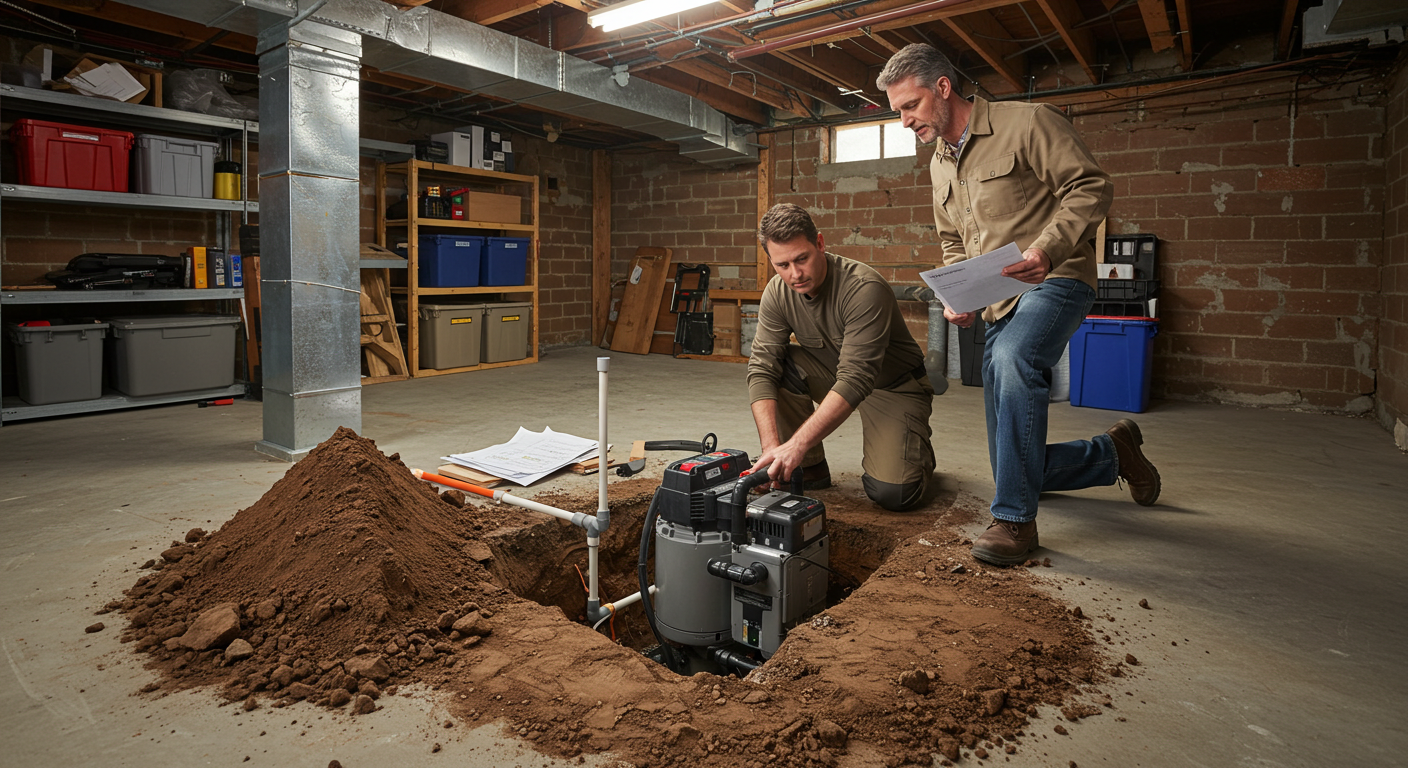
Sump pumps tend to be misunderstood. For many homeowners, they are associated with extreme flooding or homes in obvious problem areas. If the basement looks mostly dry, it is easy to assume a sump pump is unnecessary. But that assumption is often based on a few common myths that do not always line up with how basements behave over time in Wyoming, Michigan.
Water issues below a home rarely announce themselves clearly. They show up in patterns, not emergencies. As a result, sump pump installation is often misunderstood as a last resort rather than a practical tool for managing long-term basement conditions.
That is why homeowners researching water protection often come across https://foundationrepairwyoming.com/ while trying to separate fact from assumption. Once myths are stripped away, sump pump installation in wyoming tends to make more sense as a planning decision rather than a reaction.
Myth One: A Dry Basement Means You Will Never Need A Sump Pump
This is one of the most common beliefs, and also one of the most misleading. A basement can feel dry most of the year and still be vulnerable to groundwater pressure.
Many Wyoming basements experience moisture only during specific conditions. Spring snowmelt. Long rainy stretches. Rapid thaw after frozen ground. These short windows are enough to stress basement walls and floors, even if standing water is never visible.
A basement does not need to flood to benefit from a sump pump. In many cases, the pump prevents water from ever becoming noticeable inside the space.
Myth Two: Sump Pumps Are Only For Flooded Basements
Homeowners often imagine sump pumps as emergency devices that turn on only when water is pouring in. In reality, sump pumps often work quietly in the background.
They are designed to manage groundwater before it spreads across the basement floor. The goal is not to clean up water, but to redirect it before it becomes a problem.
This is why some homeowners are surprised to learn their sump pump activates even when the basement appears dry. The system is doing its job early, not reacting late.
Myth Three: If Water Comes In Once It Will Always Flood
Some homeowners hesitate to install a sump pump because they assume a single water incident means permanent flooding risk. Others assume the opposite, that a one-time leak will never happen again.
Neither assumption is reliable. Basement water behavior depends on soil saturation, drainage conditions, and seasonal weather. A dry year can be followed by a wet one. A small leak can return under similar conditions.
Sump pump installation helps stabilize these fluctuations. It does not guarantee water will never approach the foundation, but it gives that water a controlled path away from the home.
Myth Four Exterior Drainage Solves All Basement Water Problems
Exterior drainage improvements are important. Gutters, downspouts, and grading all play a role in directing surface water away from the home.
But surface drainage does not control groundwater. When soil becomes saturated below ground level, water pressure can still push toward basement walls and floors.
This is where sump pumps add value. They address water that drainage alone cannot manage. Instead of relying on one solution, homeowners often benefit from layered protection.
Myth Five Sump Pumps Only Matter For Finished Basements
Finished basements make water damage obvious and expensive. But unfinished basements also suffer from moisture issues.
Dampness affects stored items, encourages mold growth, and can weaken materials over time. Even if the basement is used only for utilities or storage, moisture still creates long-term problems.
Sump pump installation helps keep unfinished basements usable and predictable. Homeowners often notice reduced odor, drier air, and more confidence using the space.
Myth Six You Will Always Know When A Sump Pump Is Needed
One reason sump pumps feel confusing is that basements hide problems well. Moisture can enter slowly through walls or beneath the slab without creating puddles.
Signs like musty smells, efflorescence, or recurring dampness are easy to ignore. Many homeowners only realize water pressure was building once visible damage appears.
Sump pumps are often installed based on patterns rather than disasters. Repeated damp conditions, not dramatic flooding, are the usual trigger.
Myth Seven Sump Pumps Are Loud And Disruptive
Older sump pump systems earned this reputation. Modern systems are typically quieter and activate only when water reaches a set level.
Many homeowners do not even notice their sump pump running unless they are nearby during heavy moisture conditions. When installed correctly, the system operates automatically without daily attention.
Noise concerns are often outdated and based on older equipment or poor installation.
Myth Eight Installing A Sump Pump Means You Have A Bad Foundation
Some homeowners worry that installing a sump pump signals serious foundation failure. In reality, sump pumps are often installed to protect foundations, not because they have failed. Water pressure contributes to foundation stress. Managing that pressure helps preserve structural stability.
Sump pump installation does not mean the foundation is weak. It often means the homeowner is addressing environmental conditions proactively.
Myth Nine All Homes In Wyoming Need The Same Solution
Not all basements behave the same way. Soil composition, elevation, drainage patterns, and home age all affect water movement.
Some homes experience lateral wall moisture. Others experience water rising beneath the floor. Some have isolated damp areas. Others have widespread humidity.
This is why sump pump installation should be based on the home’s specific conditions, not assumptions based on neighbors or online advice.
Myth Ten Sump Pumps Are Only About Water On The Floor
Water issues are not always visible. Moisture in basement walls and air can affect indoor comfort, air quality, and long-term durability.
A sump pump helps control water before it impacts the rest of the home. This includes reducing humidity levels and protecting materials that absorb moisture over time.
The benefit is often felt upstairs as well, through fewer odors and a more stable indoor environment.
How Homeowners Usually Rethink Sump Pumps
Many homeowners change their perspective after noticing patterns. The basement smells different after rain. Dampness keeps returning. A dehumidifier runs constantly.
These experiences shift the conversation from “do I need this” to “would this make things more predictable.”
Sump pump installation often becomes a planning decision, not an emergency response.
Closing Thoughts For Wyoming Homeowners
From the experience of Wyoming Foundation Repair Experts, sump pump installation in wyoming is most often misunderstood because homeowners associate it only with worst-case flooding scenarios. In reality, sump pumps are about managing groundwater patterns that develop quietly over time.
Basements do not need to flood to benefit from protection. Many water problems stay hidden until they cause damage elsewhere.
Understanding what sump pumps actually do, and what they do not do, helps homeowners make clearer decisions. When myths are removed, sump pump installation becomes less about fear and more about long-term basement stability and peace of mind.

Comments are closed.