

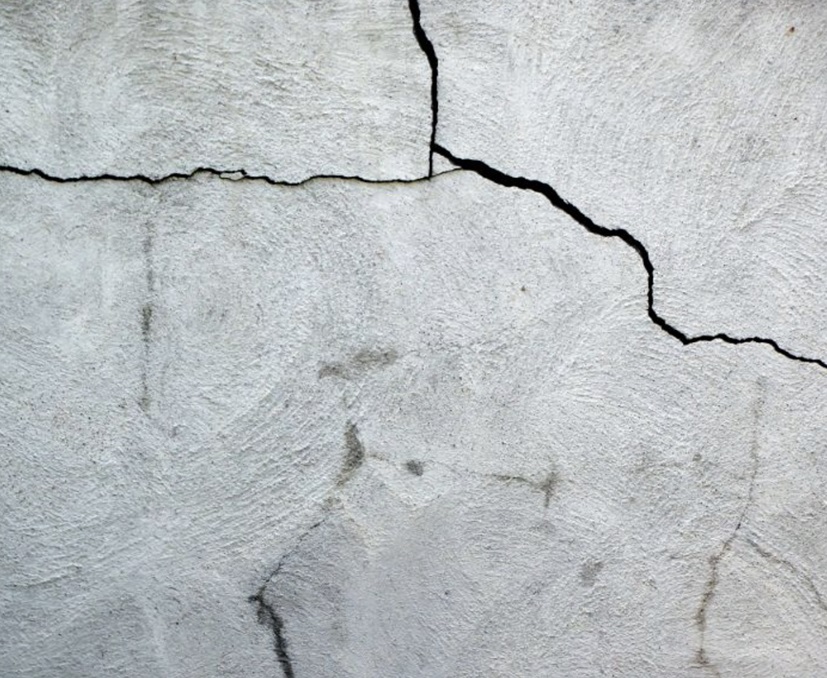
Foundation cracks tend to create two extreme reactions. Some homeowners panic the moment they see one. Others ignore it completely. In reality, most cracks fall somewhere between those reactions, and understanding that middle ground makes all the difference.
In Ann Arbor, foundation cracks are not unusual. Seasonal moisture shifts, clay-heavy soil, and freeze-thaw cycles all affect how concrete behaves over time. When homeowners start researching what those cracks might mean, they often come across resources about foundation repair in ann arbor and begin learning when Foundation Crack Repair is truly necessary and when it is not.
Not All Cracks Mean Structural Failure
One of the biggest misconceptions is that every crack signals major structural damage. That simply is not true.
Concrete naturally shrinks as it cures. Minor vertical cracks can appear during this process and remain stable for years. These are often cosmetic and do not indicate structural instability.
The key question is not whether a crack exists. It is whether the crack is changing.
Cracks that remain narrow and unchanged over long periods are usually less concerning than cracks that widen, lengthen, or multiply.
Size Is Not The Only Thing That Matters
Many homeowners focus on how wide a crack looks. While width is important, movement is often more significant. A thin crack that steadily widens over several months can indicate active settlement. A slightly wider crack that stays consistent may simply reflect natural aging.
Patterns tell a stronger story than measurements taken once. Watching how cracks behave over time provides more useful insight than reacting to appearance alone.
Location Often Tells The Real Story
Where a crack appears can be just as important as how it looks. Vertical cracks are commonly linked to settlement. Stair-step cracks along masonry blocks often suggest lateral soil pressure. Horizontal cracks may indicate that the wall is experiencing outward force.
Cracks near doors and windows deserve attention because those areas are structural stress points. When crack direction and placement are considered together, they reveal whether Foundation Crack Repair may be necessary.
Why Seasonal Changes Confuse Homeowners
Ann Arbor’s climate adds complexity to foundation behavior. Soil expands when saturated with rain or snowmelt and contracts during dry spells. During winter, freeze-thaw cycles increase pressure on foundation walls.
Because of this, some cracks appear to shift slightly with the seasons. They may widen during cold months and narrow when temperatures rise. This movement can create uncertainty. Homeowners may assume the issue has resolved when it temporarily tightens, only to see it return. Understanding seasonal patterns helps separate temporary expansion from ongoing structural movement.
Patching Is Not Always A Long-Term Solution
DIY crack repair products are widely available and often effective for purely cosmetic surface flaws. However, when cracks result from foundation movement, patching addresses only the visible symptom. It does not stop the structural shift underneath.
Homeowners often notice that cracks they patch reopen after several months. When the same crack reappears repeatedly, it usually signals that movement continues beneath the surface. Repeated patching without evaluation often delays meaningful resolution.
Moisture Changes The Conversation
Even small cracks can allow water to seep into the basement walls. Over time, this moisture may create staining, efflorescence, or a musty smell. Moisture intrusion does not always lead to structural failure, but it can accelerate concrete deterioration and affect indoor air quality.
Foundation Crack Repair often serves two purposes: stabilizing the structure and reducing water pathways. In Michigan’s climate, managing moisture is part of protecting long-term foundation health.
When Cracks Connect To Other Symptoms
Cracks rarely act alone when structural movement is involved. Homeowners may notice doors sticking, windows misaligning, or floors feeling uneven. These issues can appear subtle at first but gradually become more noticeable.
When cracking is paired with alignment problems elsewhere in the home, the likelihood of foundation movement increases. Seeing the home as a system rather than isolated parts helps identify patterns earlier.
The Difference Between Monitoring And Ignoring
Monitoring a crack means observing it over time with intention. Ignoring a crack means hoping it stays the same without checking. Homeowners who monitor cracks may measure width periodically or take photos to track changes. This approach can be appropriate when cracks are small and stable.
However, if cracks expand, new ones appear, or structural symptoms increase, monitoring naturally shifts toward professional evaluation. Clear documentation helps determine whether movement is active.
Why Waiting Can Change Repair Scope
Foundation issues tend to progress slowly, but they do progress. A crack that begins as a minor settlement can widen as soil shifts continue. Early evaluation often allows for less invasive solutions. Waiting may limit available options.
Foundation Crack Repair is typically more straightforward when addressed before secondary damage develops. Acting early does not always mean immediate repair, but it does mean gaining clarity.
What A Professional Evaluation Actually Provides
A professional assessment goes beyond measuring cracks. It examines soil conditions, wall alignment, and structural load distribution. This context matters. Many homeowners discover their cracks are cosmetic and require no structural intervention. Others learn that movement is active but manageable. Clarity replaces guesswork. That clarity often reduces stress. An informed decision is always more balanced than one driven by fear or avoidance.
Why Fear And Complacency Both Miss The Mark
Fear can push homeowners toward unnecessary action. Complacency can delay needed stabilization. The most practical response lies in understanding patterns and context.
Ann Arbor homes experience environmental pressures that naturally cause minor cracking. That does not mean every crack signals danger. It also does not mean all cracks are harmless. Balanced evaluation leads to practical solutions.
Closing Thoughts On Foundation Crack Repair In Ann Arbor
Foundation cracks are a common part of homeownership in Michigan. What separates cosmetic aging from structural concern is how those cracks behave over time.
At Ann Arbor Foundation Repair Experts, homeowners often find that understanding the cause behind a crack changes how they view the problem. Foundation Crack Repair is not about covering imperfections. It is about stabilizing what supports the entire home when movement is present.
When cracks are evaluated in context rather than on assumptions, decisions become clearer and far less stressful. Knowledge turns uncertainty into manageable action.

Comments are closed.