

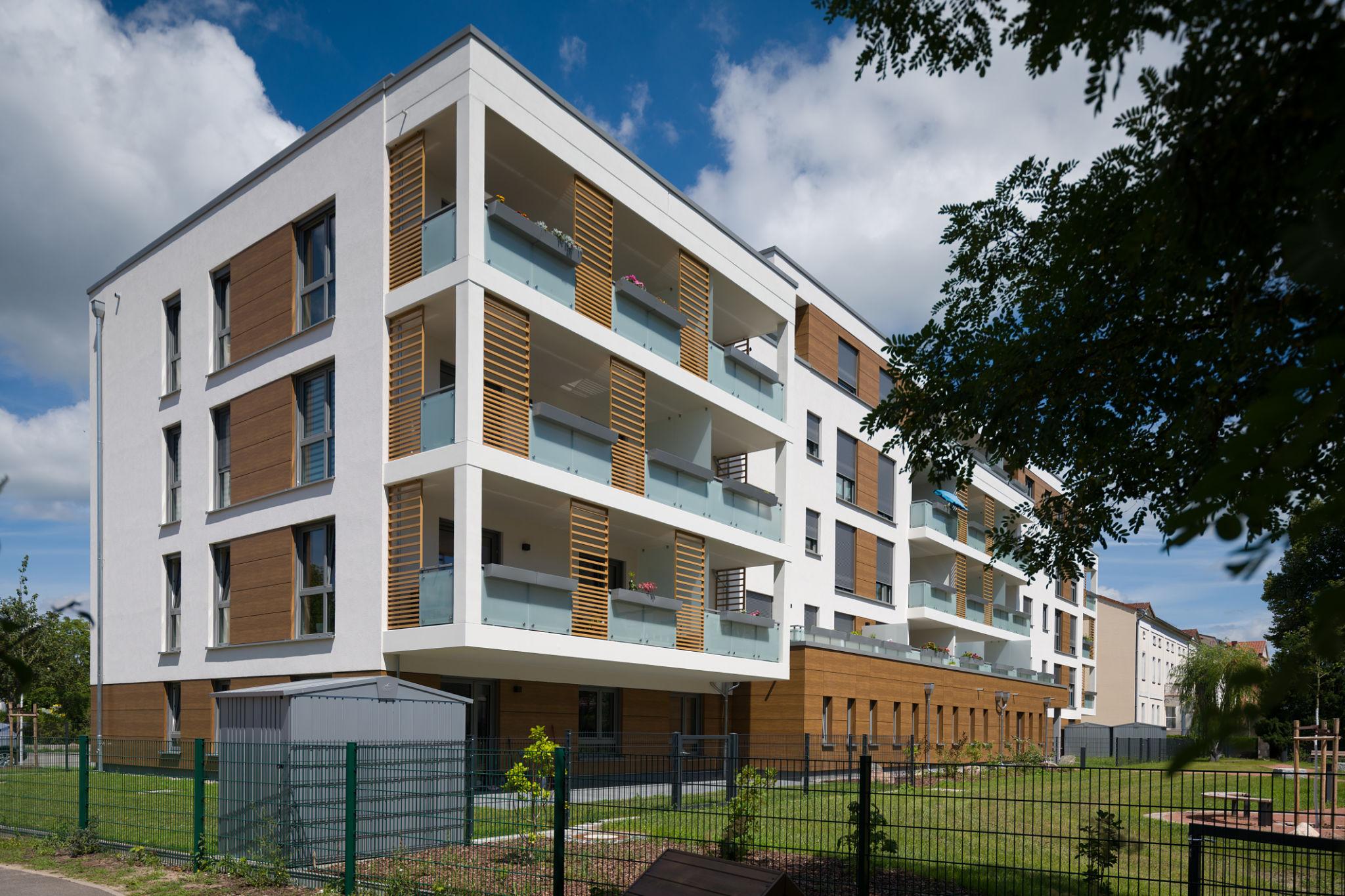
Buying your first apartment is exciting—but it can also feel overwhelming. Between budgets, paperwork, and site visits, it’s easy to miss details that matter long after the keys are handed over. A clear checklist helps you move forward with confidence and avoid costly mistakes.
This guide walks you through everything a first-time apartment buyer should check, from finances to final possession.
Get Your Budget Right First
Before you start browsing listings, you need a realistic understanding of what you can afford.
Key financial factors to evaluate
- Total budget, not just the property price
- Down payment and registration costs
- Home loan eligibility and EMI comfort
- Emergency fund after purchase
Avoid stretching your finances to the limit. A comfortable EMI leaves room for lifestyle expenses and unexpected costs.
Choose the Right Location
Location affects not only daily convenience but also long-term property value.
What to check in a location
- Proximity to workplace or business hubs
- Access to public transport and major roads
- Nearby schools, hospitals, and grocery stores
- Future infrastructure development
A slightly smaller apartment in a better location often offers more value than a larger one in an isolated area.
Evaluate the Builder and Project Credibility
For first-time buyers, builder reliability is critical.
Due diligence checklist
- Past project delivery record
- Construction quality in completed projects
- Transparency in pricing and communication
- Online reviews and buyer feedback
A reputable builder reduces the risk of delays, legal issues, and quality compromises.
Understand the Apartment Layout and Size
Not all square footage is equally useful.
Focus on livability, not just numbers
- Carpet area vs built-up area
- Natural light and ventilation
- Practical room sizes and storage space
- Balcony and utility area usability
A well-planned layout often feels larger than a poorly designed apartment with more square footage.
Check Amenities That Truly Matter
Amenities add comfort, but they also increase maintenance costs.
Prioritize essentials over extras
- Security systems and power backup
- Parking allocation
- Water supply and drainage
- Elevators and fire safety measures
Fancy amenities are nice, but everyday functionality matters more in the long run.
Review Legal Documents Carefully
This is where many first-time buyers make mistakes.
Documents you must verify
- Title deed and ownership clarity
- Approved building plans
- Occupancy or completion certificate
- Sale agreement terms and payment schedule
If anything feels unclear, consult a property lawyer before signing.
Inspect Construction Quality in Person
Never rely only on brochures or sample flats.
What to look for during site visits
- Wall finishes and flooring quality
- Electrical points and plumbing fittings
- Door and window alignment
- Signs of dampness or cracks
Small issues can indicate larger construction problems later.
Factor in Ongoing Costs
Ownership doesn’t end with the purchase.
Recurring expenses to plan for
- Monthly maintenance charges
- Property tax
- Utility bills
- Repair and renovation costs
Knowing these upfront prevents financial stress after moving in.
Think Long-Term Before You Decide
Your first apartment should still work for you a few years from now.
Ask yourself
- Will my family size change?
- Is resale or rental demand strong here?
- Can this apartment support work-from-home needs?
A future-ready choice saves the hassle of upgrading too soon.
Final Thoughts for First-Time Buyers
Buying your first apartment is a major milestone. With the right checklist, you replace uncertainty with clarity. Focus on financial comfort, legal safety, livability, and future value—not just what looks good today.
A well-informed decision now leads to years of peace of mind later.
FAQs
How much savings should I have before buying my first apartment?
Ideally, you should have enough for the down payment, registration costs, and at least six months of emergency expenses.
Is it better to buy under-construction or ready-to-move apartments?
Ready-to-move apartments reduce risk, while under-construction options may be cheaper but require patience and trust in the builder.
How important is carpet area compared to super built-up area?
Carpet area matters more, as it reflects the actual usable space inside your apartment.
Should first-time buyers always take a home loan?
Not always, but a home loan can help manage cash flow and offer tax benefits if the EMI is affordable.
What mistakes do first-time buyers commonly make?
Ignoring legal checks, underestimating total costs, and choosing based on price alone are common errors.
Can I negotiate the apartment price as a first-time buyer?
Yes. Builders often offer flexibility on pricing, payment plans, or additional benefits, especially during early or late project stages.
When is the right time to buy my first apartment?
The right time is when your finances are stable, your income is predictable, and you plan to stay in the property for several years.
If you want, I can also create a city-specific checklist or a downloadable version tailored to your budget and buyer profile.

Comments are closed.