

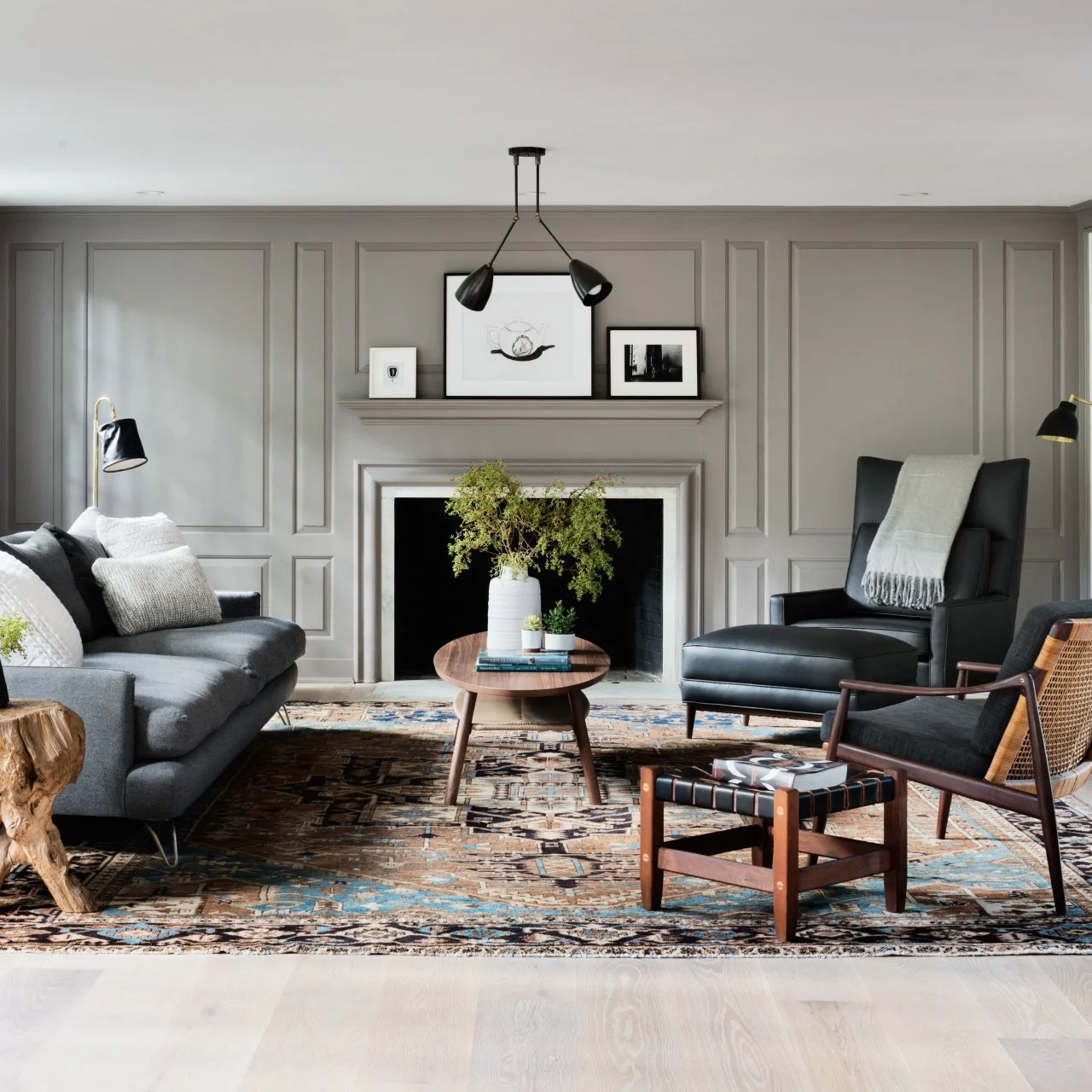
When selling a home, buyers don’t just look at square footage and location—they react to how a space makes them feel. Home staging taps into that psychology, shaping first impressions and directly influencing how much buyers are willing to pay.
Done right, staging isn’t decoration. It’s a strategic tool that can significantly impact your final selling price.
What Is Home Staging?
Home staging is the process of preparing a property for sale by optimizing its appearance, layout, and overall appeal to potential buyers.
It focuses on helping buyers visualize the home as their own, rather than highlighting the seller’s personal style.
Why First Impressions Matter in Pricing
Most buyers form an opinion within seconds of entering a home—or even from online photos.
How first impressions affect price
- Buyers associate clean, well-styled homes with better maintenance
- Positive emotional response increases perceived value
- Homes that feel “move-in ready” attract stronger offers
A poor first impression often leads to lower offers or aggressive negotiations.
How Staging Increases Perceived Value
Staging doesn’t change the structure, but it changes perception.
Key value-boosting effects
- Makes rooms feel larger and brighter
- Highlights the home’s best features
- Minimizes flaws buyers might fixate on
- Creates a neutral, welcoming atmosphere
Perceived value plays a major role in how buyers justify higher prices.
Impact on Buyer Competition and Demand
Staged homes tend to stand out in crowded markets.
Why staging drives competition
- Better listing photos attract more online views
- More site visits increase demand
- Higher demand leads to multiple offers
Competition among buyers often pushes the final price above expectations.
Staging vs Price Reductions
Many sellers reduce price instead of improving presentation.
Why staging is often the smarter move
- One-time staging cost vs permanent price cut
- Price reductions signal low demand
- Staging preserves pricing power
A well-staged home can sell faster without sacrificing value.
Rooms Where Staging Matters Most
Not every room impacts pricing equally.
High-impact spaces
- Living room: Sets the tone for the entire home
- Master bedroom: Influences emotional connection
- Kitchen: Suggests functionality and upkeep
- Bathrooms: Clean, modern feel builds trust
These areas heavily influence buyer perception and offer strength.
Emotional vs Logical Buying Decisions
Buying a home is both emotional and financial.
How staging influences emotions
- Helps buyers imagine daily life in the home
- Creates comfort and aspiration
- Reduces hesitation and doubt
When emotions align positively, buyers are more flexible on price.
Staging Works for All Property Types
Staging isn’t limited to luxury homes.
Properties that benefit from staging
- Apartments and independent houses
- Vacant or lived-in homes
- Old properties needing visual refresh
Even simple staging can elevate a modest home’s appeal.
Cost of Staging vs Return on Price
Staging is an investment, not an expense.
Typical returns
- Faster sales reduce holding costs
- Higher perceived value supports better offers
- Fewer negotiations preserve final price
In many cases, sellers recover staging costs multiple times over.
Final Thoughts: Staging Shapes What Buyers Are Willing to Pay
Home staging doesn’t inflate value artificially—it reveals a home’s true potential. By improving presentation, reducing distractions, and appealing to buyer psychology, staging strengthens demand and protects your selling price.
In competitive markets, staging often becomes the difference between an average sale and a standout result.
FAQs
Does home staging really increase the selling price?
Yes. Staging improves perceived value, which often results in higher offers and stronger negotiations.
Is home staging necessary in a seller’s market?
Even in strong markets, staging helps attract better-quality buyers and maximize final price.
Can I stage my home myself?
Yes, basic decluttering and neutral styling can help, but professional staging often delivers stronger results.
How much does home staging usually cost?
Costs vary by property size and scope, but it’s typically far less than a price reduction.
Does staging help sell homes faster?
Yes. Staged homes generally receive more interest and sell quicker than unstaged ones.
Is staging useful for vacant homes?
Absolutely. Vacant homes often feel cold or smaller, and staging adds warmth and scale.
Should I stage if my home is already furnished?
Often yes. Professional staging refines layout, removes distractions, and improves visual flow.
If you’d like, I can also help you decide which rooms to stage, estimate staging ROI, or create a DIY staging checklist based on your home type and budget.

Comments are closed.