

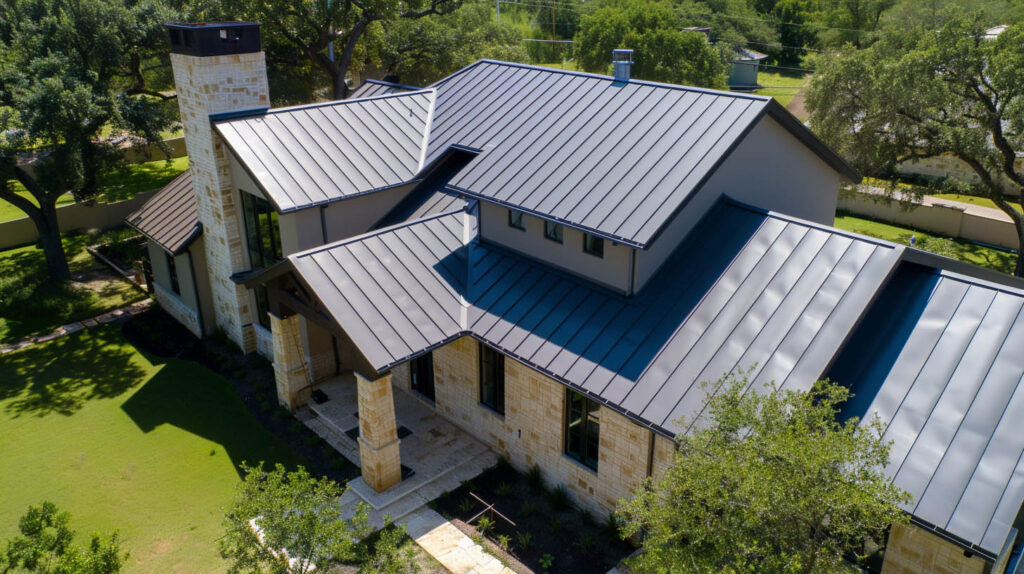
A building doesn’t have to sit on the beachfront for coastal exposure to matter. Wind can carry salt to a roof, and sheltered corners may hold deposits that rain never washes away. When you’re choosing roofing for an industrial property near the coast, the address is only the beginning of the discussion.
The industrial metal roofing Perth operators choose should suit both the surroundings and the work taking place inside. A warehouse near the water and a processing building exposed to fumes may need different advice, even if their roofs look similar from the street. Those conditions deserve attention before anyone starts comparing colours.
BlueScope’s roofing selection guidance considers different marine environments, including breaking surf, exposed water and calmer coastal locations. It also makes clear that local conditions can change a recommendation. Prevailing winds, shelter and areas not naturally washed by rain all help determine how demanding a site may be.
That is why a distance measured on a map cannot answer every question. Tell the roofing contractor about the building’s surroundings, nearby operations and any history of corrosion. Photographs from earlier inspections can be useful, particularly if deterioration has repeatedly appeared on the same side of the building. A site visit can also reveal exposure that drawings miss, including sheltered roof sections and nearby exhaust outlets. Share those details before the material specification is finalised.
The industrial use matters too. Moisture, chemical exposure and emissions can affect the underside of roof sheeting as well as the weather-facing surface. If activities inside create a particularly harsh environment, the material supplier may need to advise on suitability. Choosing a product solely because it performs well beside the ocean misses that additional exposure.
The smaller components need the same thought as the sheets. Fasteners, flashings and gutters should be specified as a compatible system. A carefully chosen roof material cannot compensate for an unsuitable component or a detail that holds contaminated water. Ask what is included in the specification, rather than accepting a material name as the whole answer.
Maintenance access is another detail worth settling early. Sheltered areas can need cleaning even when the broad roof surface receives regular rainfall. If equipment or overhangs make those places difficult to reach, that should influence the maintenance plan. It is much better to know how they will be inspected before everything is installed.
Request the manufacturer’s maintenance information and check the warranty conditions for the actual location and use. A general product warranty is not a substitute for confirming that the proposed application is suitable. Keep the specification and any written supplier advice with the building’s records so future maintenance contractors can refer to them.
Consider future changes to the building. A new process, an added exhaust outlet or equipment discharging moisture near the roof could alter the conditions around an otherwise suitable installation. When planning those changes, bring the roofing contractor into the conversation before the new equipment is fitted. The original material choice was made for a particular set of conditions.

Comments are closed.